Burst Pipe Repair
A burst pipe pours water fast. We stop it, repair the line around the clock and check the rest of the run for weak spots.
Burst Pipe Repair details

A high water bill, a stain on the ceiling or the sound of running water with every tap closed means a leak somewhere. We track it down and open only what we need to.
Quick answer: We confirm the leak on the water meter, isolate sections of the plumbing to see which one loses pressure, then use moisture readings and listening equipment to narrow it to a small area. That lets us open only a small section of wall, ceiling or floor at the actual leak instead of guessing. Drain leaks can also be checked with a camera from inside the pipe.
Leak detection is the work of finding water that is escaping where you cannot see it: inside a wall, above a ceiling, under a slab floor or in the underground service line between the curb and the house. Small leaks waste water and money for months before they show up as a stain, mold or a soft floor. The goal is to pinpoint the source so the repair opening is small and the fix is right the first time, instead of cutting holes until something turns up. Catching it early saves floors, framing and plaster.
We start with the simple tests: watching the water meter with every fixture off, isolating sections of the system and checking the usual suspects like toilets, water heater valves and fixture supply lines. Then we narrow it down with pressure testing, moisture readings and listening to the pipe. Once we find the leak, we give you an upfront quote to repair it. Some leaks turn out to be drain leaks, not supply leaks, such as a cracked cast iron stack or a failed tub drain, and we can run a camera to confirm.
We check the water meter with all fixtures off to confirm water is moving, then rule out the easy causes, such as a running toilet or a dripping relief valve. This step alone sometimes finds the problem without opening anything.
We close valves to split the house into sections and see which one loses pressure. That tells us whether the leak is in the service line, a supply branch, the water heater or a specific bathroom, and keeps the search focused.
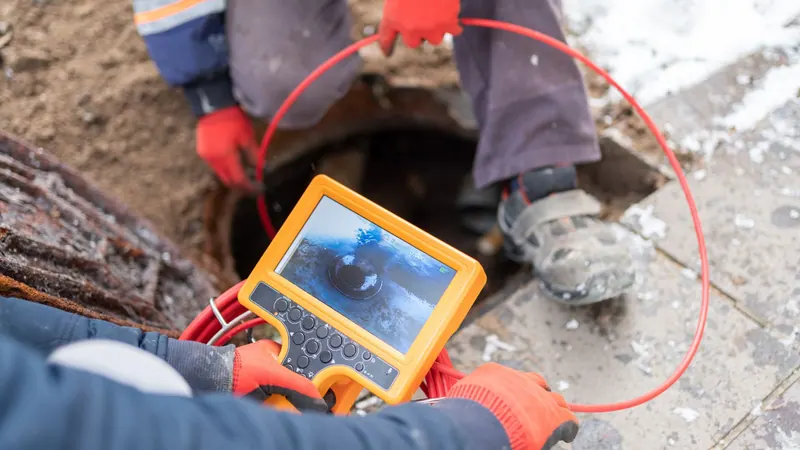
Using moisture readings, pressure tests and listening equipment, we narrow the leak to a small area of wall, ceiling or floor. If a drain is suspected instead, we run a camera through the line to look from the inside. The goal is the smallest possible opening.
We show you where the leak is and give you an upfront quote. We open the smallest area needed, repair the pipe with new material, pressure test the line and clean up. Drywall and finish work can then be patched.
In Philadelphia rowhomes, the most common hidden leaks come from galvanized steel supply lines rusting through at threaded joints, old copper with pinholes, and connections behind tiled bathroom walls that have been patched over the years. Second floor bathrooms sit directly over kitchens and living rooms, so a slow leak shows up as a ceiling stain downstairs. Shared party walls can let water travel, so the stain is not always right below the source. Cast iron drain stacks can also crack and weep, which looks like a supply leak but is not. Plaster walls and tile in older bathrooms make a precise location even more valuable.
In Levittown and other slab homes in Bucks County, leaks can happen in pipe running under or through the slab, showing up as a warm or damp floor, cracked tile or a meter that never stops. Out at the street, the service line between the curb stop and the house can leak underground. Finding the exact spot keeps the repair, and the damage to floors or yards, as small as possible. We explain each finding as we go so you understand what failed and why.
Leak detection cost depends on how hidden the leak is and how much of the system needs to be tested. A leak traced to a toilet or valve in minutes is a small job, while a slab leak or underground service line leak takes more time and equipment. The repair itself depends on pipe material, location and how much finish needs to be opened. Drain leaks may need a camera inspection. We explain what we will test and give you an upfront quote before work starts.
Call (518) 776-7838 for an upfront quote. We answer 24/7 and explain the price before any work starts.
No stock photos here. These are our own technicians, our own equipment and real repairs.


We provide leak detection across Philadelphia and Bucks, Montgomery, Delaware and Chester counties.
We confirm the leak on the water meter, isolate sections of the plumbing to see which one loses pressure, then use moisture readings and listening equipment to narrow it to a small area. That lets us open only a small section of wall, ceiling or floor at the actual leak instead of guessing. Drain leaks can also be checked with a camera from inside the pipe.
In most Philadelphia rowhomes the bathroom sits above the kitchen or living room, so any leak shows up on the ceiling below. Common causes are a failed wax ring under the toilet, a worn tub or shower drain, a cracked drain line, or a leaking supply line in the wall. We test the fixtures and drains one at a time to find which one is the source.
Signs of a slab leak include a warm spot on the floor, damp or cracked flooring, the sound of running water with everything off and a water meter that keeps spinning. Many Levittown homes are built on slabs with pipe running through or under the concrete. We confirm the leak, pinpoint its location and explain repair options, including rerouting the line above the floor.
Yes. A running toilet, a leaking service line underground or a pipe leaking into a crawl space or slab can waste a lot of water without any visible sign inside the house. If your PWD or water company bill jumps without a change in use, turn off every fixture and watch the meter. If it moves, call us for leak detection.
It is a drain problem, and it acts differently from a supply leak. A cracked cast iron stack only leaks when water is draining, so it shows up after showers or flushes rather than all the time. You may also notice a sewer smell. We inspect the stack, can run a camera through it and repair or replace the damaged section.
A burst pipe pours water fast. We stop it, repair the line around the clock and check the rest of the run for weak spots.
Burst Pipe Repair detailsA live video sewer line inspection that shows roots, cracks, sags and clogs, so you know exactly what is in your pipe.
Sewer Camera Inspection detailsReplace rusted galvanized and failing old supply pipe with new copper or PEX for better pressure, clean water and fewer leaks.
Repiping detailsWe answer 24 hours a day, 7 days a week. Call and talk to a real person, or request service online and we will call you back.
Tell us what is happening. Our team usually calls back within two hours. Emergency? Call now, we answer 24/7.
Or call (518) 776-7838, 24 hours a day